About me
I am a PhD Candidate in Adult Education and Community Development at the Ontario Institute for Studies in Education (OISE), University of Toronto. My research explores how people learn through foodwork, community organizing, and collective action. I am particularly interested in Indigenous food sovereignty, solidarity economies, and the ways communal labour creates opportunities for learning, relationship-building, and social change.
Researching Food, Justice, and Community
My work sits at the intersection of adult education, food studies, community development, and social justice. Through qualitative and community-engaged research, I examine how food-related initiatives—such as community kitchens, campus food programs, and Indigenous food sovereignty projects—serve as sites of informal learning, skill development, and collective transformation.
Food Sovereignty and Community Economies
My doctoral research examines communal foodwork as a site of adult learning, social relationship-building, and collective action. Situated within the fields of adult education, food studies, and community development, my project explores how people learn through the everyday practices of preparing, sharing, and organizing food together.
Food is often understood primarily as a source of nutrition or a response to food insecurity. However, communal food initiatives—including community kitchens, campus food programs, mutual aid projects, and food sovereignty initiatives—also function as important spaces of education. Through participation in collective foodwork, individuals develop practical skills, build relationships, negotiate differences, and cultivate forms of knowledge that are rarely recognized within formal educational settings.
Drawing on theories of situated learning, critical adult education, solidarity economies, and Indigenous scholarship, my research investigates how learning emerges through participation in shared labour. I am particularly interested in how communal foodwork contributes to the development of social solidarity, collective identity, and community capacity. Rather than viewing learning as something that occurs solely within classrooms or training programs, this research explores how people learn through doing, working, and organizing together.
My dissertation focuses on a range of food-based initiatives operating within community and post-secondary contexts. Through qualitative and community-engaged research methods, I examine the experiences of participants, volunteers, coordinators, and community members involved in these initiatives. In doing so, I seek to understand how foodwork creates opportunities for learning while also addressing broader social, economic, and ecological challenges.
As a Red River Métis scholar, my work is informed by commitments to relationality, reciprocity, and community accountability. I am particularly interested in the intersections between Indigenous food sovereignty, community economies, and adult learning, and how these perspectives can contribute to more just, sustainable, and collective approaches to education and social change.
Ultimately, this research asks a simple but important question: What do people learn when they come together to feed one another? By exploring this question, I hope to contribute to conversations about food, education, and community-building while highlighting the transformative potential of collective care and shared work.
Professional Experience
My professional experience spans public service, higher education, community development, and food systems work. Across these roles, I have been drawn to questions of learning, community capacity, and social change—interests that continue to inform both my research and practice.
Currently, I serve as an Education Program Officer with Indigenous Services Canada, where I support First Nations education initiatives and work alongside communities, education organizations, and leadership to advance educational opportunities for learners. This work has deepened my understanding of the complex relationships between policy, governance, funding, and community-led educational priorities, while reinforcing the importance of culturally responsive and locally grounded approaches to learning.
Alongside my work in public service, I have held a variety of positions within higher education, including student advising, peer mentorship, academic coaching, and research support roles. Through these experiences, I have worked closely with students navigating post-secondary systems, supporting academic success, personal development, and lifelong learning. These roles have strengthened my commitment to learner-centred educational practices and broadened my understanding of the challenges and opportunities facing adult learners.
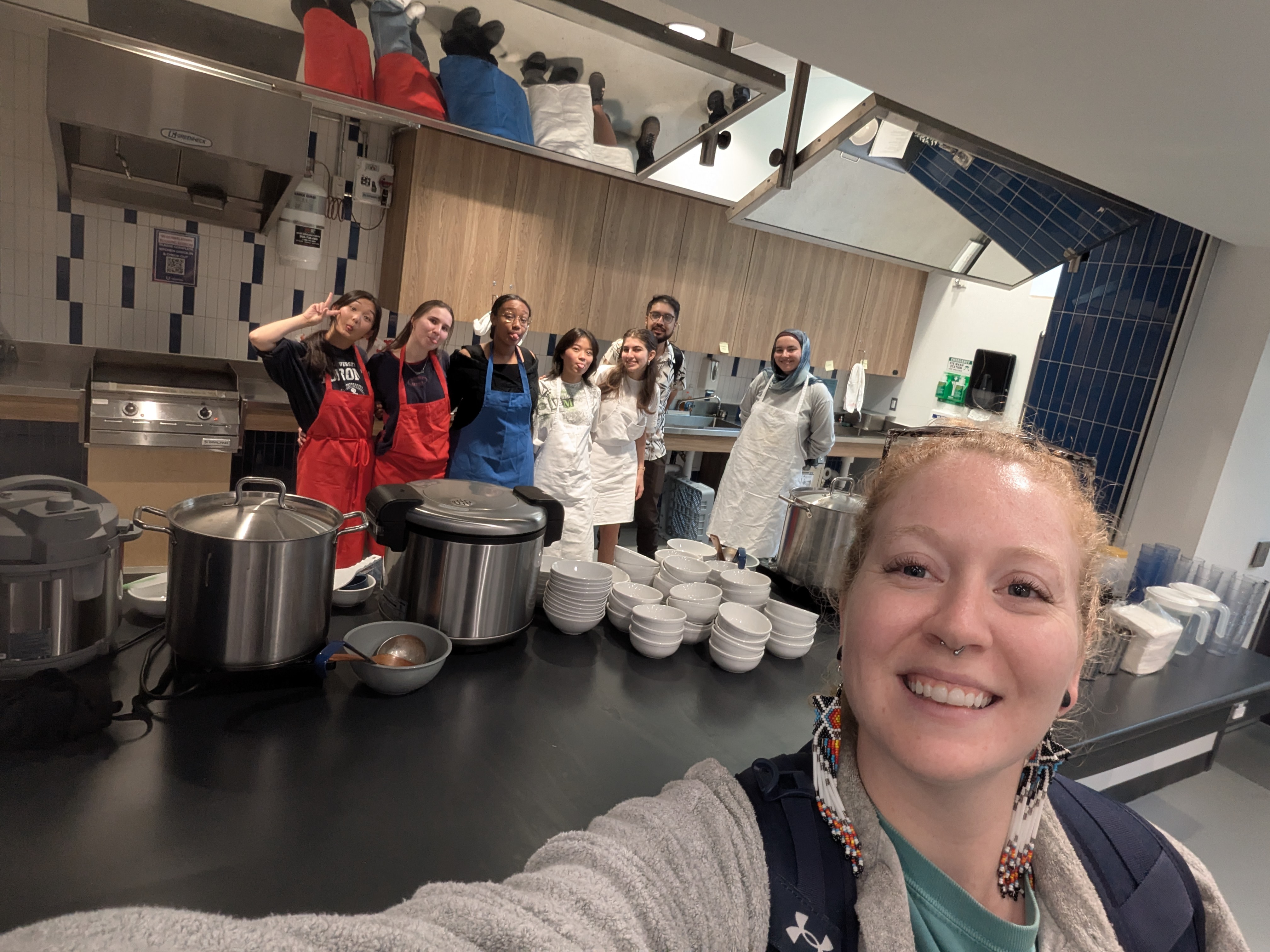
Prior to my current work, I was actively involved in community food initiatives throughout Toronto. As part of my work with the Park Café, a social enterprise operated in partnership with the Thorncliffe Park Women’s Committee, I participated in programs that combined food production, culinary training, employment development, and community engagement. These initiatives demonstrated the ways food can function as more than nourishment—it can also create opportunities for skill development, social connection, economic participation, and collective empowerment.
Working within community food systems exposed me to the educational dimensions of everyday foodwork. Whether preparing meals, supporting community programming, or engaging with participants from diverse cultural and socioeconomic backgrounds, I witnessed how learning often occurs through practice, collaboration, and shared responsibility. These experiences continue to shape my scholarly interest in communal foodwork as a site of adult learning and community development.
Across my professional roles, I have remained committed to building bridges between research, policy, and practice. My work is grounded in the belief that meaningful learning takes place not only within formal educational institutions, but also within workplaces, kitchens, community organizations, and other spaces where people come together to share knowledge, skills, and experiences.
Personal Background
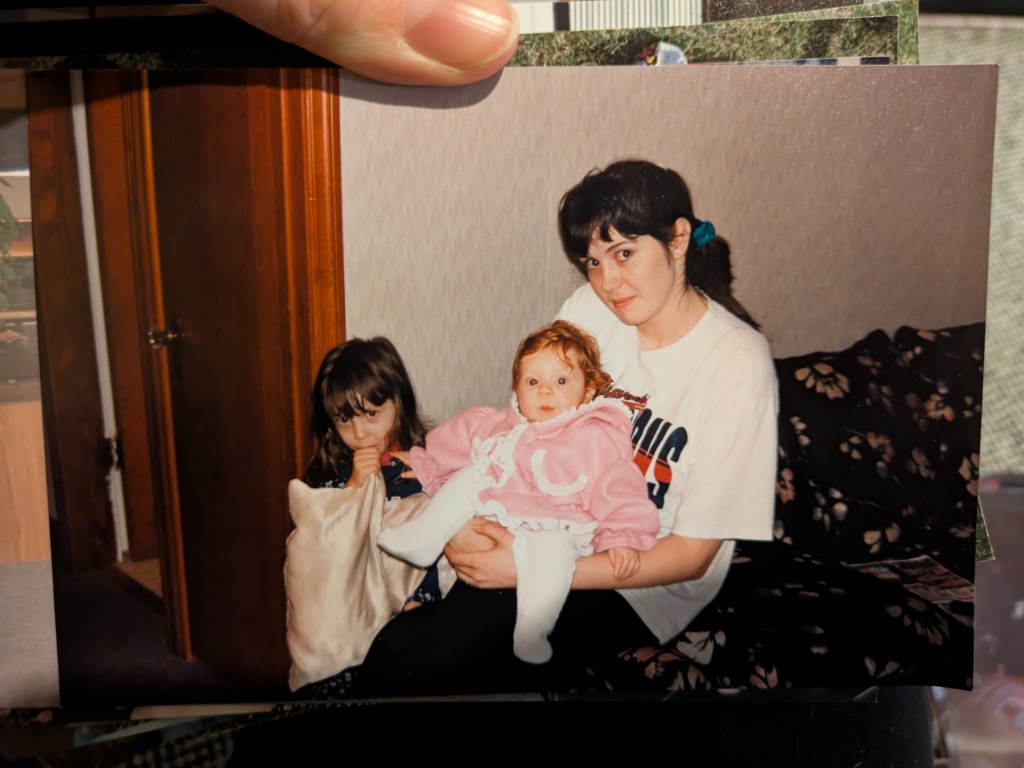
I am a Red River Métis scholar & settler (Icelandic) originally from Manitoba and currently based in Ontario. I live and work on Robinson-Superior Treaty territory (Thunder Bay) and Toronto Purchase Treaty, Treaty 13, (Toronto). I spent many years working in the hospitality and service industry. I’ve been a server, cook, bartender and I see these as workers who help convey the culture of a community. I spent my childhood connected to my father’s Métis community of St. Laurent where I learned to hunt, forage, fish and trap. I learned how to cook from various family members, including my Memere. My mother has always been my inspiration as a Métis woman who grew up with adversity and now is the most resilient person I know. She’s currently undertaking a project to open up Nanny’s Howse Cafe in the Winnipeg Concert Hall. This will be an important contribution to the unique community that makes up the Interlake region, paying homage to our background serving Métis and Icelandic foods.

